A Gentle Guide to Caring for Your Cherished Senior Cat
As our feline friends gracefully age, their needs evolve. Discover compassionate insights and practical tips to ensure their golden years are filled with comfort, health, and joy.
Learn MoreUnderstanding Your Senior Feline Friend
Just like humans, cats experience significant changes as they age. Generally, a cat is considered senior around 11-14 years old and geriatric from 15 years onward. Recognizing these stages is the first step towards providing tailored care.
This guide explores how to adapt their environment, diet, and routine to support their unique needs, ensuring their comfort and happiness through their later years.
Vital Health & Nutrition for Aging Cats
Tailored Senior Diet
Senior cats benefit from diets lower in calories but rich in protein, with added supplements for joint health and kidney function.
Routine Veterinary Care
Bi-annual vet visits are crucial for early detection of age-related diseases and managing chronic conditions effectively.
Spotting Ailments
Be vigilant for signs of arthritis, kidney disease, dental issues, and hyperthyroidism. Early intervention is key.
Creating a Sanctuary for Your Senior Cat
Comfortable Resting Spots
Provide multiple soft, warm beds in quiet, easily accessible locations. Consider orthopedic beds for joint support.
Accessible Resources
Elevate food and water bowls, and ensure litter boxes have low sides for easy entry. Ramps or steps can help with favorite high spots.
Safe & Secure Spaces
Minimize hazards and ensure a consistent environment. Reduce loud noises and sudden changes to help reduce stress.
Keeping Minds Engaged: Gentle Play & Interaction
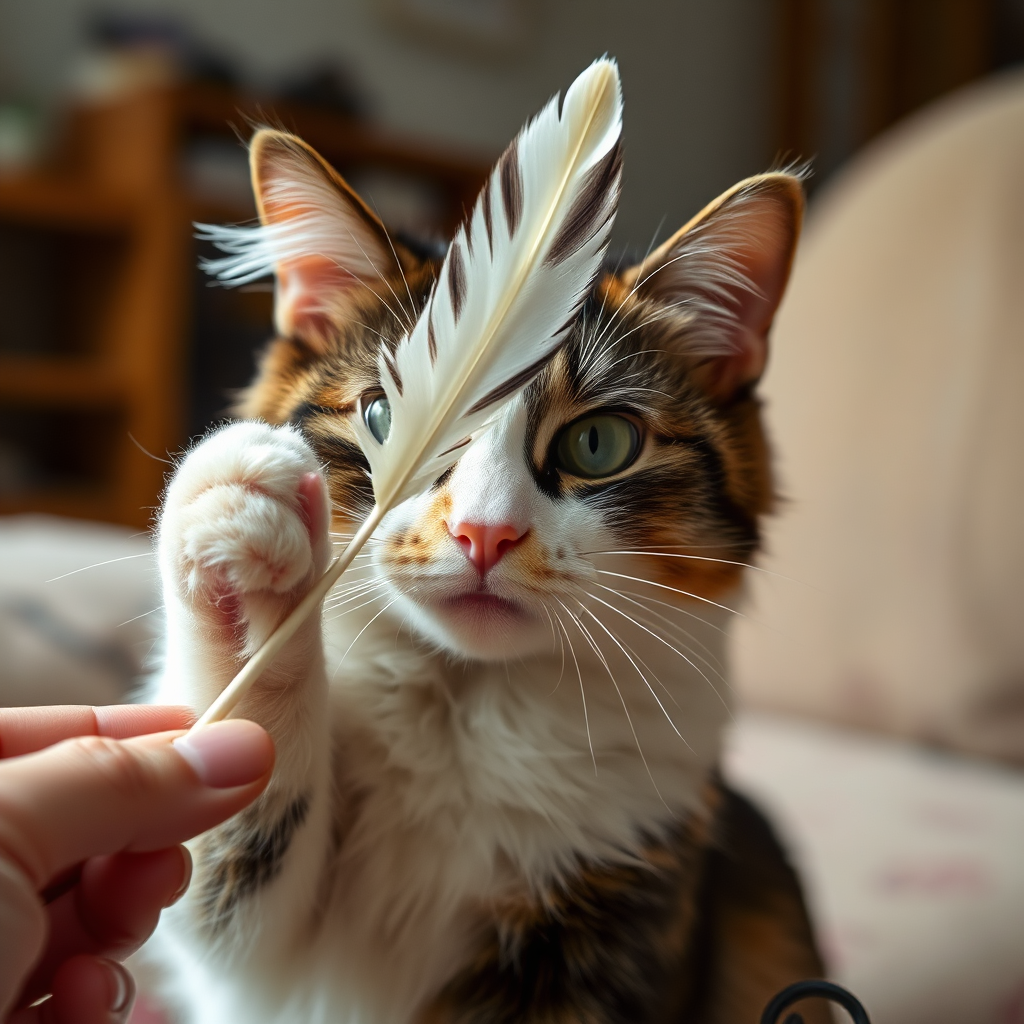
Mental stimulation is as important as physical health for senior cats. Gentle play helps maintain cognitive function and strengthens your bond.
- Interactive Toys: Use feather wands, laser pointers (with a physical 'catch' at the end), or puzzle feeders to keep them engaged.
- Window Perches: A comfortable window perch provides endless entertainment watching birds and squirrels.
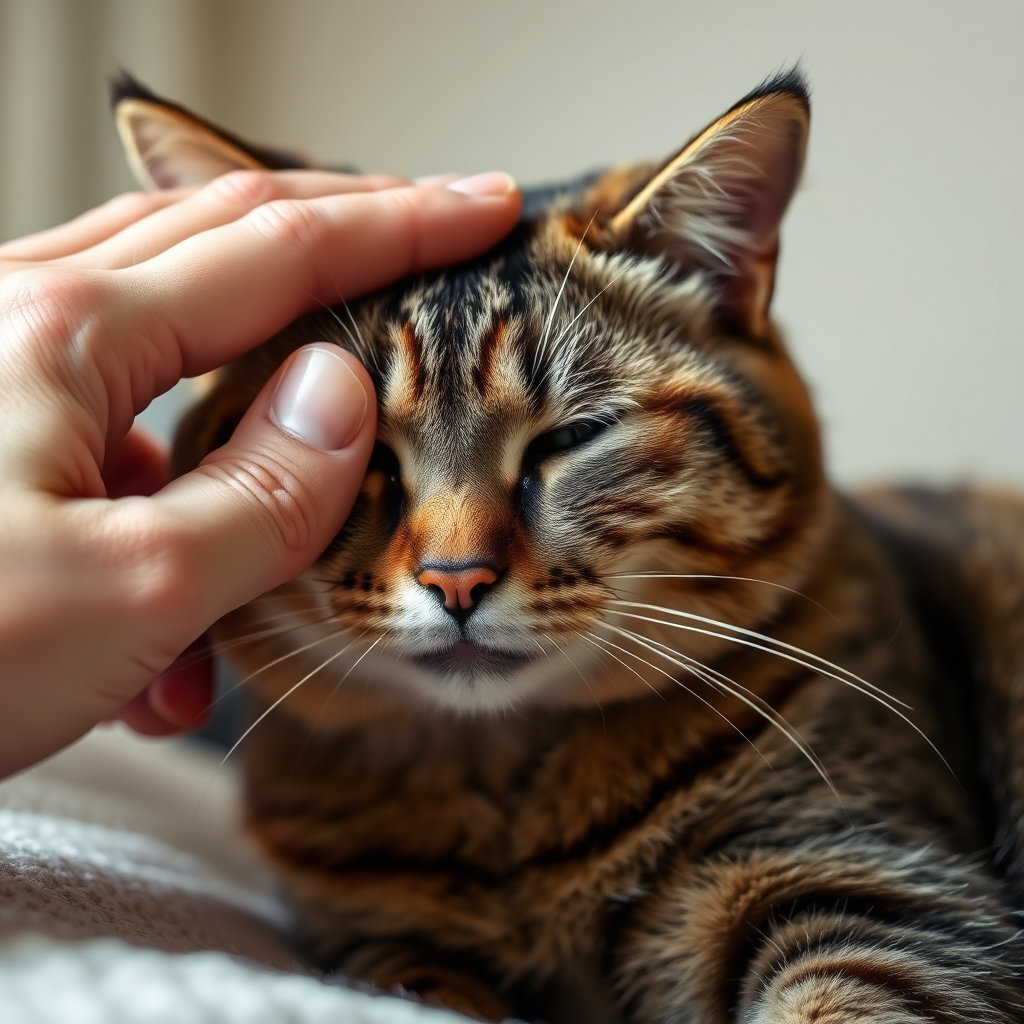
- Gentle Grooming & Petting: Regular brushing and affectionate petting not only feel good but also provide a routine and social interaction.
- New Scents & Sounds: Introduce new, safe scents (like catnip or specific herbs) or soft, calming music to their environment.
Navigating Behavioral Shifts in Older Cats
Increased sleep is common in older cats as their energy levels naturally decrease. However, a significant or sudden change warrants a vet visit, as it could indicate an underlying health issue like arthritis pain or a metabolic disorder.
Excessive vocalization can be a sign of cognitive dysfunction (feline dementia), pain, hyperthyroidism, or even just a desire for attention. It's best to consult your veterinarian to rule out medical causes.
Litter box accidents in older cats often point to medical issues such as urinary tract infections, kidney disease, or arthritis making it difficult to enter the box. Ensure the litter box has low sides and is easily accessible. A vet check-up is highly recommended.
A decreased appetite can be a symptom of many health problems, including dental disease, kidney issues, or even stress. Consult your vet to identify the cause. You can also try offering highly palatable senior-specific foods, warming their food slightly, or trying wet food if they usually eat dry.
Compassionate End-of-Life Care
Making decisions about end-of-life care for a beloved pet is incredibly difficult. The primary goal is always to maintain their comfort and quality of life for as long as possible.
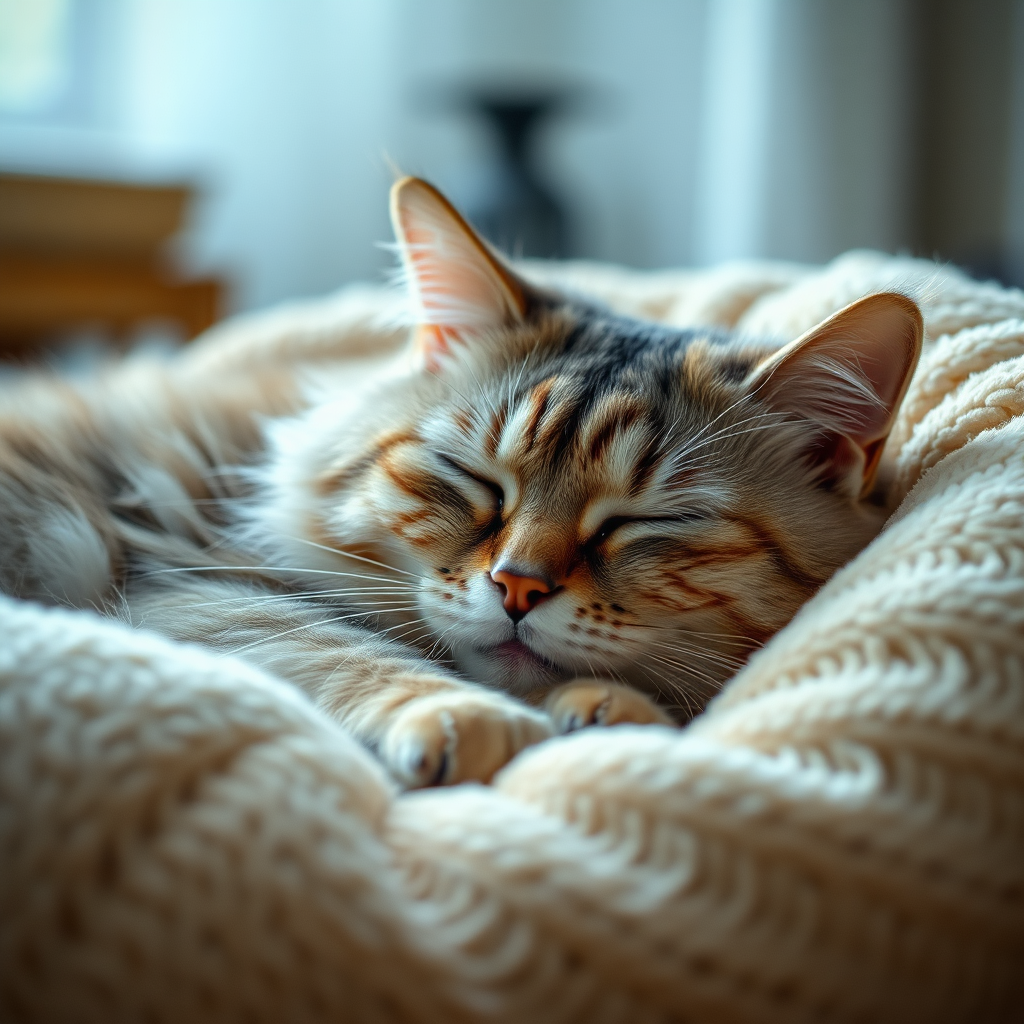
Focus on Comfort & Dignity
This period involves a gentle balance of pain management, nutritional support, and emotional care. Spend quality time, keep their environment serene, and don't hesitate to seek advice from your veterinarian about palliative care options. They can help you assess your cat's quality of life using objective measures and guide you through difficult choices with empathy.
Remember, you are not alone in this journey. Many resources and support networks are available to help you and your cat during this sensitive time.
Frequently Asked Questions
It's generally recommended that senior cats (11+ years) have veterinary check-ups at least twice a year. This allows for early detection and management of age-related conditions, which can progress quickly in cats.
Further reading: Why twice-yearly check-ups?
Senior cat foods are specifically formulated with adjusted protein, fat, and calorie levels, often including supplements like omega-3 fatty acids for joint health and antioxidants. Your vet can recommend the best option for your cat's specific health needs.
Further reading: Choosing the right senior cat diet.
For arthritic cats, provide orthopedic beds, place food/water/litter boxes on the main living level (or multiple levels), use ramps or steps for access to favorite elevated spots, and keep their environment warm. Soft floor coverings can also help prevent slips.
Further reading: Arthritis management in cats.
Join Our Community of Cat Lovers
Stay updated with the latest tips, heartwarming stories, and expert advice on caring for your senior cat. Connect with a supportive network of fellow pet parents.