Exotic Pets: What You Need to Know Before Bringing One Home
Exotic pets are fascinating. Their appearance, behavior, and quiet presence often attract people looking for something different from cats or dogs. But owning an exotic animal is very different from caring for a traditional pet.
Learn MoreBefore bringing a reptile, amphibian, or other exotic animal into your home, it’s essential to understand their needs, limitations, and responsibilities.
This guide will help you decide whether an exotic pet is right for you — and how to care for one properly.

What Are Considered Exotic Pets?
Exotic pets include animals that are not traditionally domesticated and usually require specialized care. Each species has very specific environmental and dietary needs, which makes preparation crucial.
Reptiles
Geckos, bearded dragons, snakes, turtles — known for their varied scales and environmental needs.
Amphibians
Frogs, salamanders — often requiring high humidity and specific water conditions for their sensitive skin.
Small Mammals
Hedgehogs, sugar gliders — unique social and dietary needs differing from common household pets.
Birds
Parrots, cockatiels — intelligent and vocal, needing significant interaction and specific cage environments.
Invertebrates
Tarantulas, stick insects — often low-maintenance but require precise habitat control.
Why Exotic Pets Are Not “Easy Pets”

Many people believe exotic pets are low-maintenance because they are quiet or live in enclosures. In reality, they often require more precision than cats or dogs. A small mistake — incorrect lighting or diet — can seriously affect an exotic animal’s health.
- Strict temperature and humidity control
- Specialized diets requiring precise nutrition
- Limited access to exotic veterinarians and emergency care
- Legal restrictions and permits in some regions
Habitat: Creating the Right Environment

For exotic animals, the habitat is everything. They rely entirely on their enclosure to mimic their natural environment. Each species has different requirements, so generic setups rarely work.
Important elements include correct enclosure size, UVB lighting (for many reptiles), precise temperature gradients, proper substrate that retains or drains moisture as needed, and clean water sources. Meticulous research for your specific pet is non-negotiable.
Feeding Exotic Pets: Precision Matters
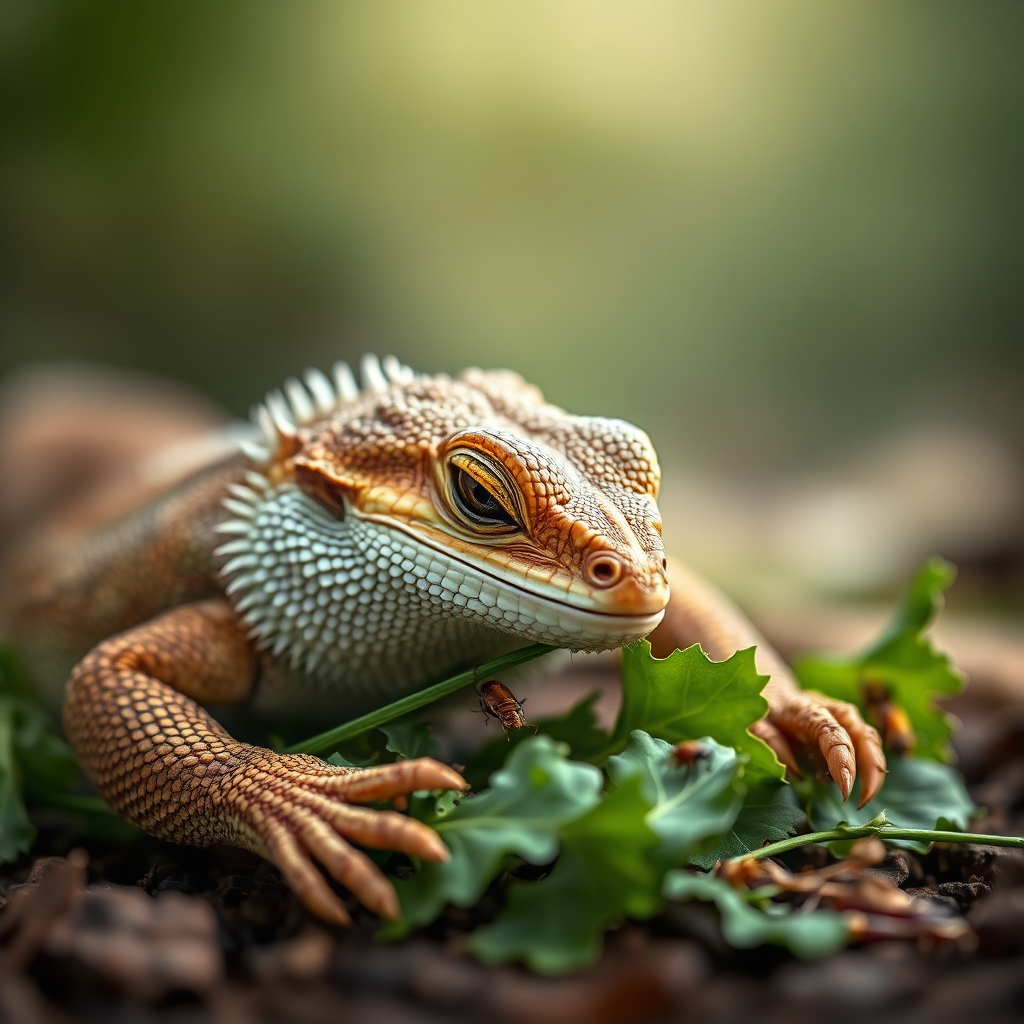
Unlike cats and dogs, exotic animals often eat very specific foods. Incorrect feeding is one of the most common causes of illness in exotic pets.
- Live or frozen insects (crickets, mealworms, roaches)
- Specific leafy greens and vegetables
- Rodents (for some snakes, fed appropriately sized)
- Specialized commercial diets or supplements
Always research the exact feeding schedule, portion sizes, and necessary supplements (like calcium and vitamins) for your particular species.
Handling and Interaction
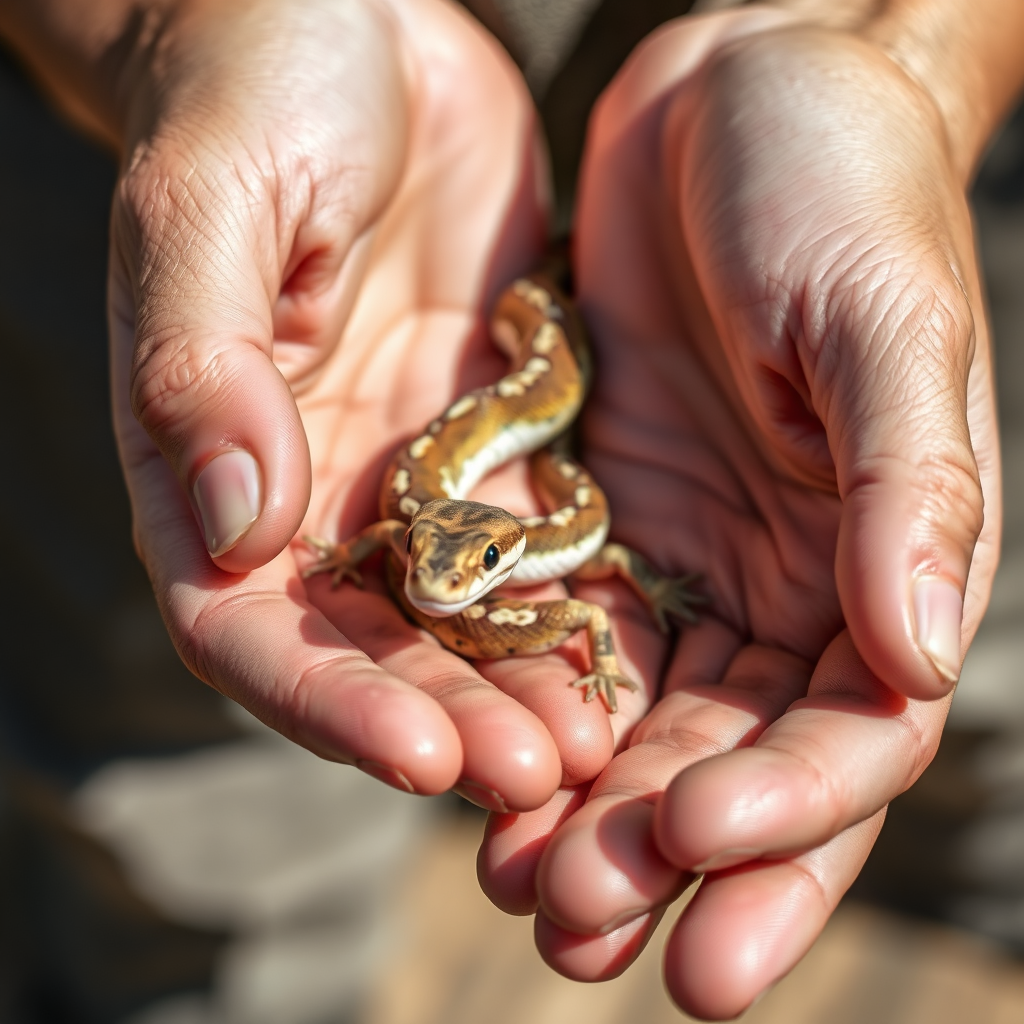
Not all exotic pets enjoy being handled. Some tolerate it, others find it stressful. General rules for interaction include:
- Handle gently and infrequently, especially at first.
- Always wash hands thoroughly before and after handling.
- Never force interaction; allow the pet to approach or retreat.
- Learn species-specific stress signs to avoid discomfort.
Respecting boundaries is key to their well-being and building trust, if possible for the species.
Health and Veterinary Care
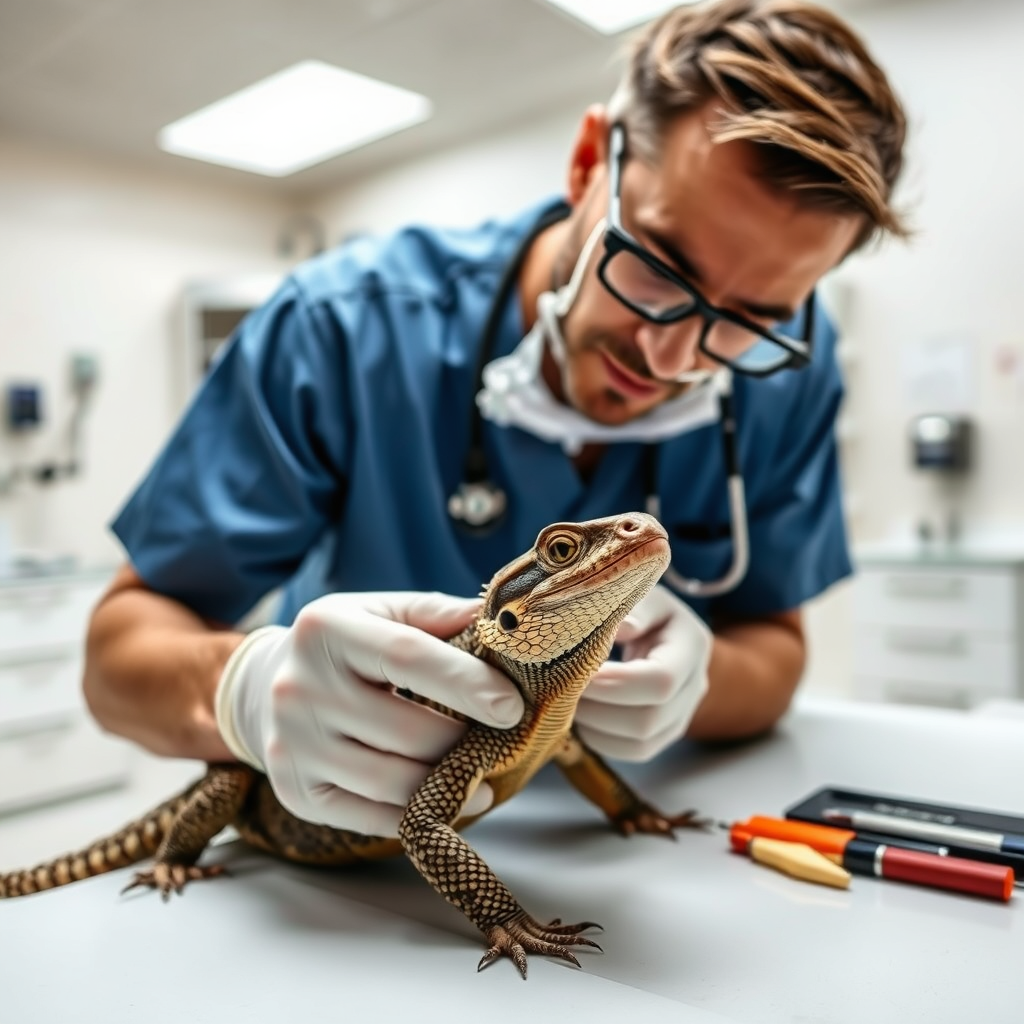
Exotic animals need specialized veterinarians, often called exotic or reptile vets. Finding one before you adopt is crucial, as general practice vets may not have the expertise.
Before Adopting, Consider:
- Locating an exotic vet nearby and confirming their availability.
- Understanding emergency options and after-hours care.
- Budgeting for potentially higher medical costs for specialized care.
Preventive care, including regular check-ups with an exotic vet, is always easier and less stressful than treating a serious illness.
Are Exotic Pets Right for You?
Exotic pets are not decorative objects. They are living beings with complex needs that require commitment and understanding.
They may be right for you if:
- You genuinely enjoy research and continuous learning about animal care.
- You can maintain stable, precise routines for their environment and feeding.
- You respect animals’ natural behaviors, even if they aren't affectionate.
- You are patient, attentive, and observant of subtle behavioral changes.
They may not be ideal if you expect:
- High levels of physical affection or constant interaction.
- An "easy" or low-maintenance pet that fits into a busy, unpredictable schedule.
- Flexibility in care routines or a pet that can be left alone for extended periods.
- A pet that doesn't require specialized veterinary care.

Final Thoughts
Exotic pets can be incredibly rewarding when cared for responsibly. They teach patience, respect for nature, and an impressive attention to detail. The bond formed with an exotic animal, while different from a dog or cat, can be profound and unique.
The best exotic pet owners are not those who want something “rare,” but those who are willing to provide the right environment — every single day.