Best Dog Food Brands 2025 – Vet Reviewed
What veterinarians recommend, what to look for, and which brands make the cut this year.
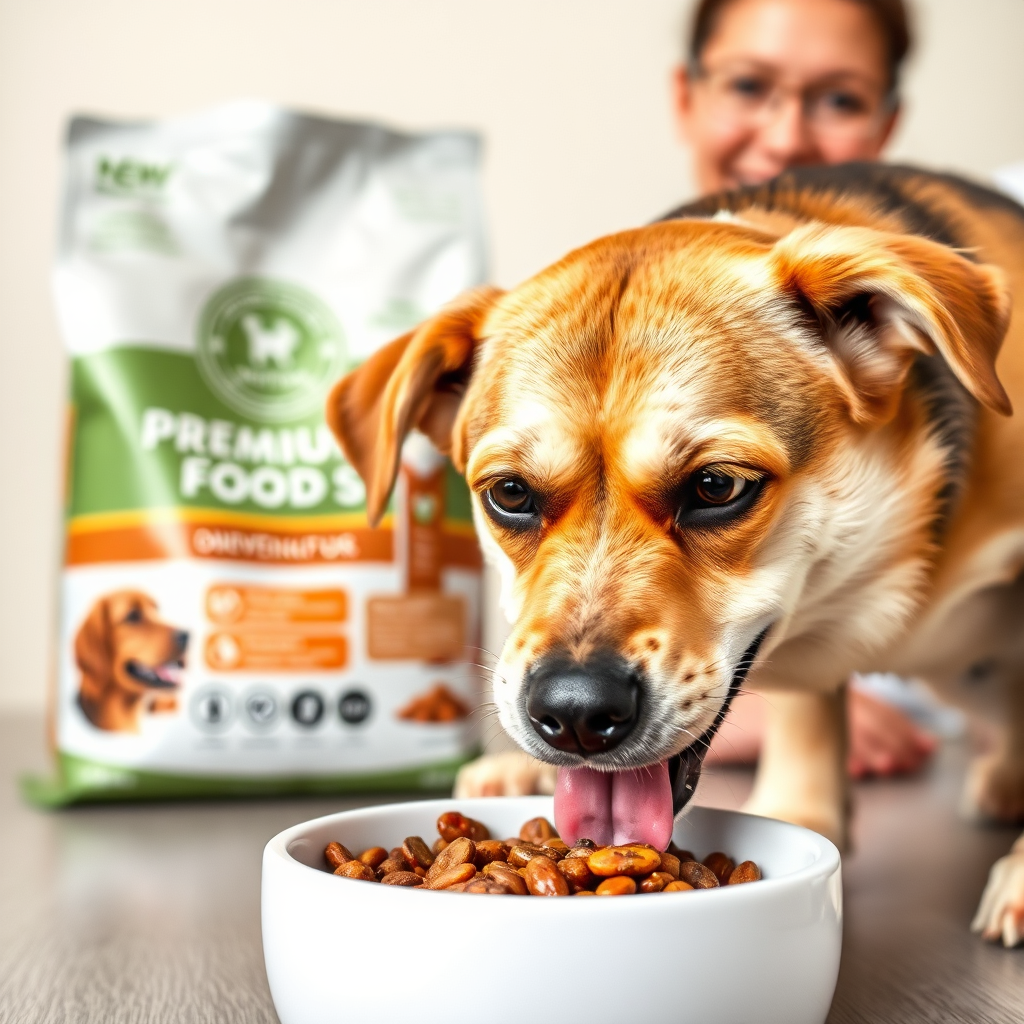
What to Look for in a Good Dog Food.
Before we dive into the brands, let’s cover the key criteria veterinarians use when evaluating dog foods:
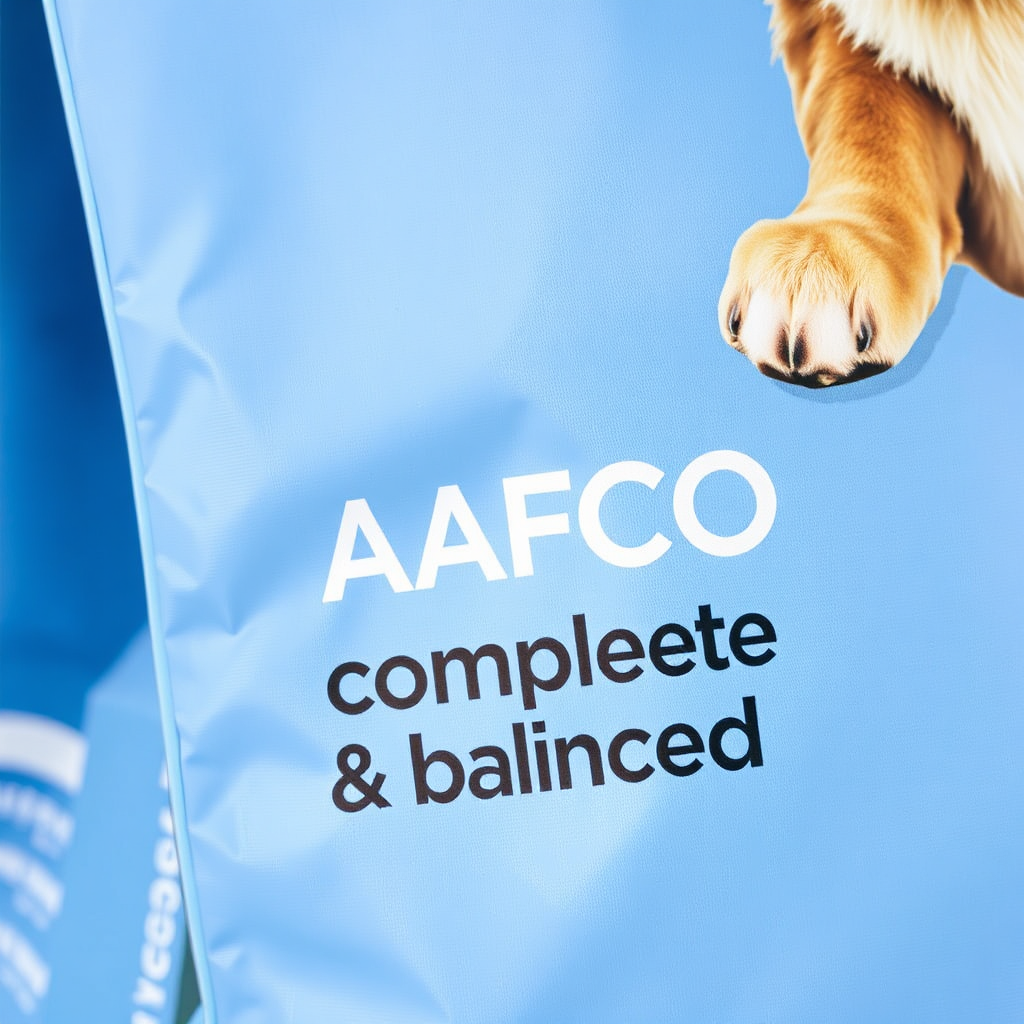
1. A high-quality dog food will meet the standards set by the Association of American Feed Control Officials (AAFCO) — meaning it provides all essential nutrients for the dog’s life stage.
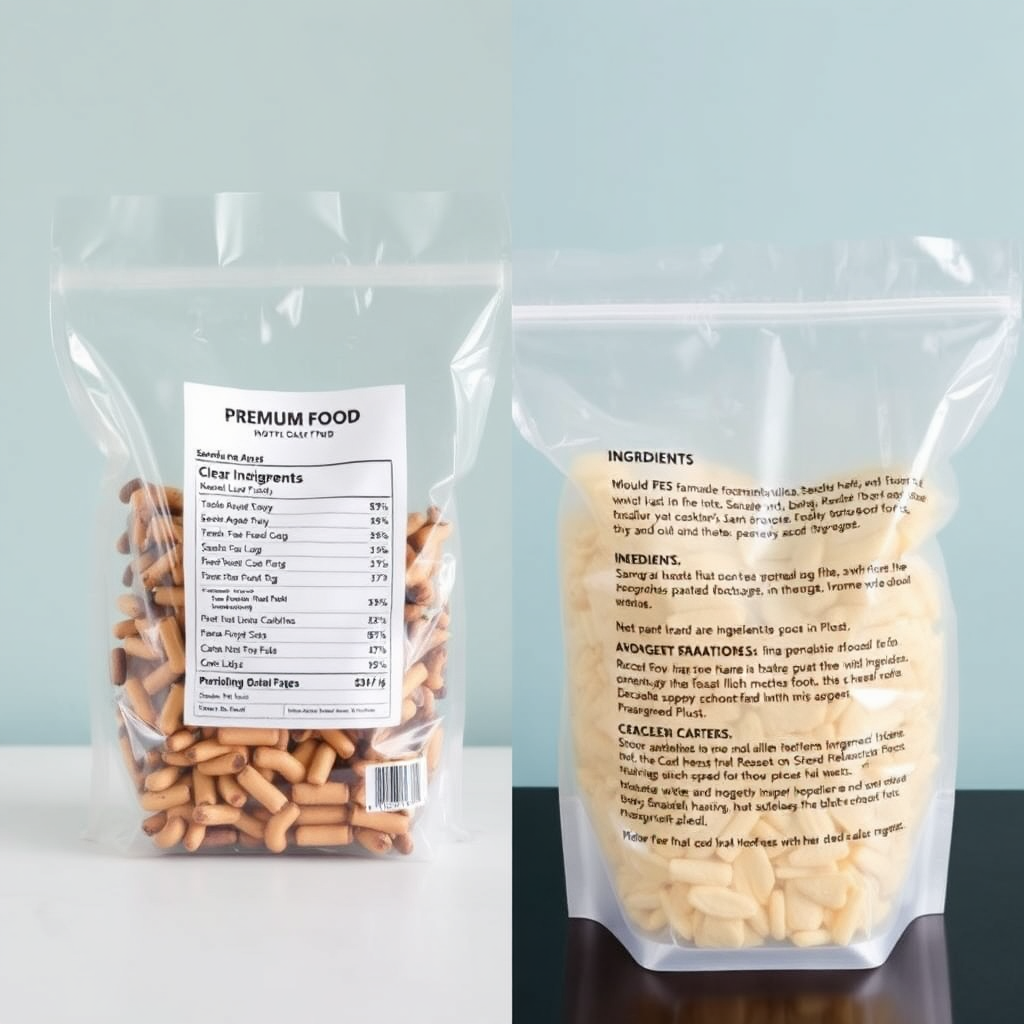
2. Look for a named animal protein (e.g., “chicken”, “turkey”) as first ingredient, avoid vague terms like “meat meal”, and steer clear of excessive fillers.
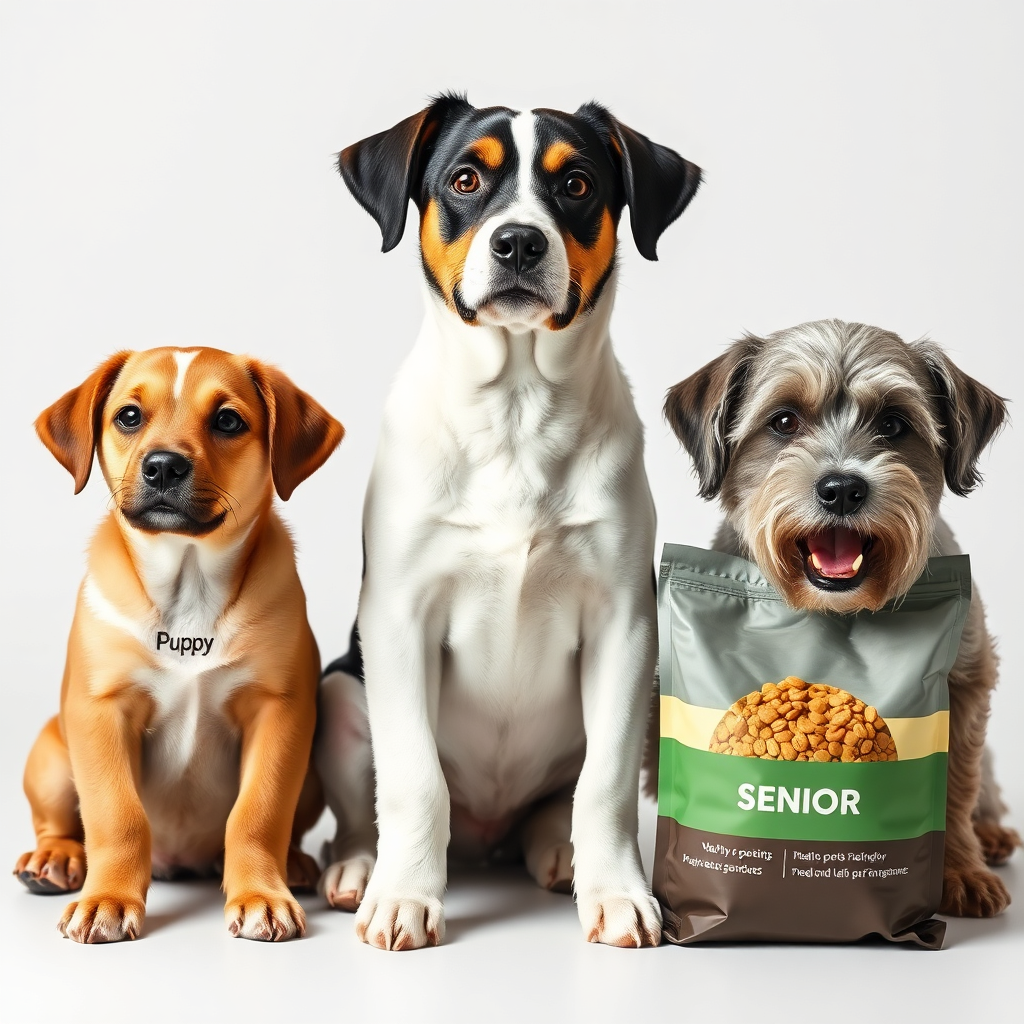
3. Life Stage & Breed Size Appropriateness
Puppy, adult, senior — each has different nutritional needs. Large-breed vs small-breed formulas also matter.
4. Special Needs & Health Conditions
Dogs with allergies, digestive issues, joint conditions, or weight concerns may require therapeutic or tailored diets.
Top Dog Food Brands for 2025
Here are some of the brands most frequently recommended by veterinarians, along with their strengths and notable formulas.
1. Hill’s Science Diet
Why vets like it: Backed by decades of research, tailored formulas for life-stages and health conditions.
Notable formulas: Puppy Healthy Development, Adult Small & Toy, Senior 7+, Prescription Diet.
2. Purina Pro Plan
Why vets like it: High-protein focus, good value, widely available.
Notable formulas: Performance Athlete, Sensitive Skin & Stomach, Puppy Large Breed.
3. Royal Canin
Why vets like it: Breed-specific formulas, precise nutrition for size and condition.
Notable formulas: Labrador Retriever Adult, Small Breed, Gastrointestinal Low Fat.
4. Blue Buffalo
Why vets like it: Natural-ingredient focus, grain-inclusive formulas, good for coat & skin.
Notable formulas: Life Protection, Basics Limited Ingredient, Freedom Grain-Free.
5. Fresh / Human-Grade Brands (e.g., The Farmer’s Dog)
Why vets like it: Fresh meals, human-grade ingredients, great for picky eaters or special diets.
Considerations: Higher cost, subscription model, storage logistics.
How to Choose the Right Food for Your Dog

Step-by-Step:
- Match the food to dog’s life-stage, size, and activity level.
- Read the label: protein first ingredient, clear ingredient list.
- Transition gradually: mix old and new food over 5–7 days.
- Monitor stool, coat, energy level, weight for first month.
- If special condition (allergy, joint issues), consult your veterinarian — they may prescribe therapeutic diet.
Common Mistakes to Avoid
- Switching foods abruptly → digestive upset.
- Chasing expensive “premium” brands assuming better = always needed.
- Overfeeding treats and toppers, ignoring main diet.
Budget-Friendly vs Premium: What’s the Difference?
Good nutrition isn’t always about the highest price tag. The difference lies in ingredient quality, manufacturing standards, research backing. A mid-priced brand meeting AAFCO standards and backed by vet review can outperform a high-cost brand with vague claims.
FAQ
Q1: How often should I switch my dog’s food?
A: If the current diet is working (normal stool, shiny coat, stable weight), you may not need to switch. Only switch when needed (life stage, health change, vet advice).
Q2: Are grain-free diets better?
A: Not necessarily. Some grain-free diets have been linked to canine dilated cardiomyopathy (DCM). Always discuss with your vet and choose food based on the dog’s overall needs.
Q3: Can I feed my dog human food instead?
A: Occasional safe human foods (lean chicken, certain vegetables) are okay — but as a full diet, human meals rarely meet all dog nutritional needs. Choose a complete & balanced dog food instead.
Conclusion
Picking the right dog food doesn’t have to be daunting. Focus on the fundamentals: complete nutrition, ingredient transparency, life-stage fit, and vet-backed brand reputation. The brands above — Hill’s Science Diet, Purina Pro Plan, Royal Canin, Blue Buffalo, and fresh food options — are excellent starting points for 2025. Always prioritize your dog’s individual needs, monitor their health, and consult your veterinarian when in doubt.