Puppy Potty Training: A Day-by-Day Plan for Success
Potty training a puppy requires patience, consistency, and a structured approach. This day-by-day plan will guide you through the process, helping you establish good habits and minimize accidents.
Key Principles:
Consistency is King: Stick to a regular schedule for feeding, potty breaks, and naps. Positive Reinforcement: Reward successful potty breaks with praise, treats, and affection immediately. Supervision is Crucial: Constant supervision prevents accidents and allows you to intervene quickly. Clean Up Thoroughly: Enzymatic cleaners eliminate odors that attract your puppy back to the same spot. Patience is Essential: Accidents will happen. Don't punish your puppy; simply clean it up and refocus on the plan.
What you'll need:
High-quality puppy food Treats (small, easily digestible) Enzymatic cleaner Leash Collar or harness Designated potty spot Crate (optional, but highly recommended) Poop bags
The Day-by-Day Plan:
Days 1-3: Establishing the Routine
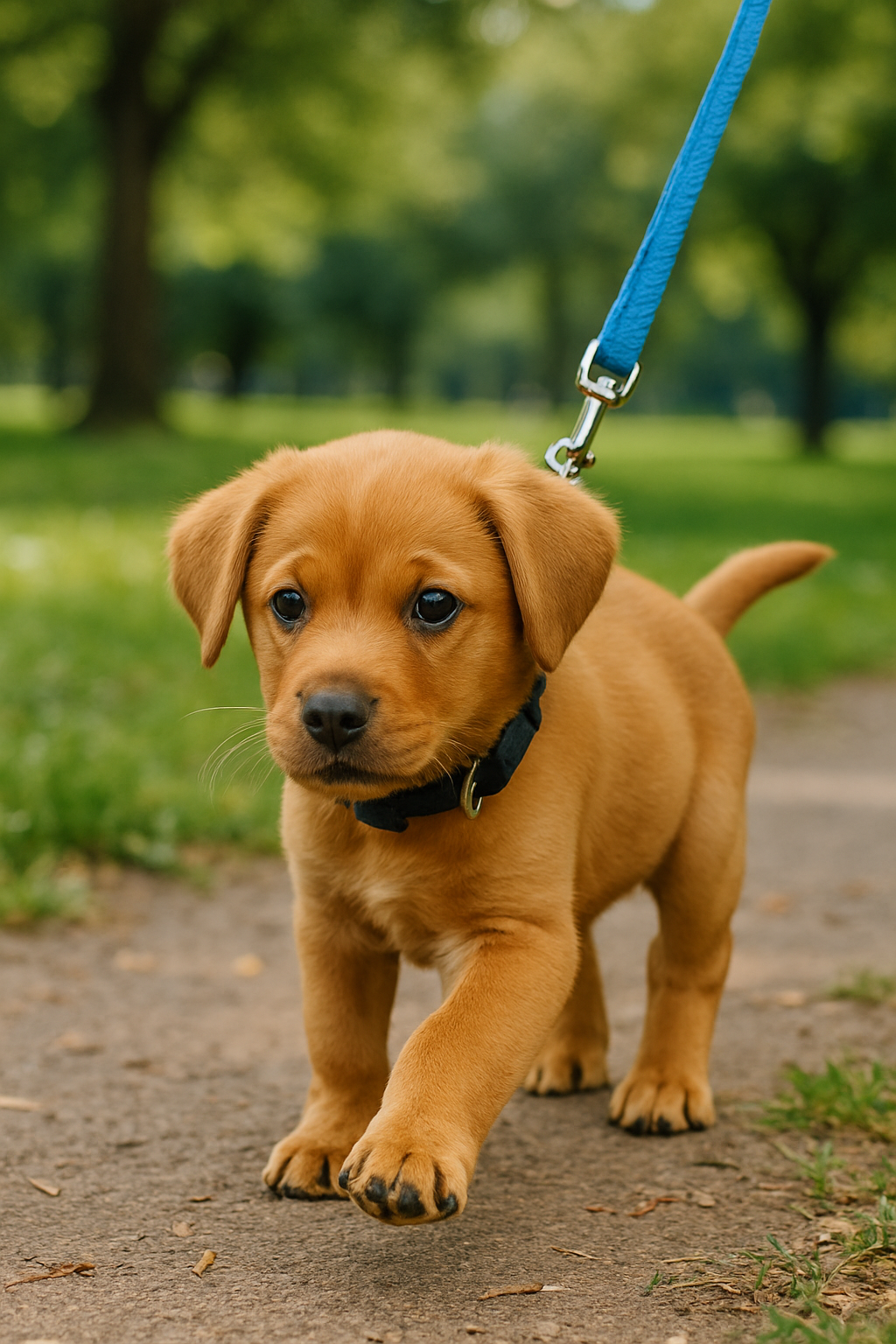
Image: A photo of a puppy being taken outside on a leash. Focus: Getting your puppy accustomed to their new environment and establishing a potty routine. Schedule: 6:00 AM: Wake up, immediately take puppy outside to designated potty spot. 6:15 AM: Breakfast. 6:30 AM: Potty break again. 7:00 AM - 8:00 AM: Supervised playtime. 8:00 AM: Nap time in crate (if using) or designated quiet area. 10:00 AM Potty break. 10:15 AM: Supervised playtime. 12:00 PM: Lunch. 12:15 PM: Potty break. 1:00 PM - 2:00 PM: Nap time. 3:00 PM: Potty break. 3:15 PM: Supervised playtime. 5:00 PM: Potty break. 6:00 PM: Dinner. 6:15 PM: Potty break. 7:00 PM - 8:00 PM: Quiet playtime/cuddle time. 8:00 PM: Potty break. 9:00 PM: Bedtime potty break. Throughout the night: Potty breaks every 2-3 hours (set an alarm). Key Actions: Take your puppy to the designated potty spot *immediately after waking up, after meals, after naps, and after playtime. Use a verbal cue ("Go potty," "Do your business") when you take them to the spot. Wait patiently. Give them 5-10 minutes. If they don't go, bring them back inside and try again in 15-20 minutes. When they eliminate, praise enthusiastically and offer a treat immediately. Supervise your puppy closely indoors. If you can't watch them, keep them in a crate or small, puppy-proofed area. Clean up accidents immediately with an enzymatic cleaner.
Days 4-7: Reinforcing the Routine
Image: A close-up photo of a person giving a puppy a treat after it has eliminated outside. Focus: Solidifying the routine and extending the time between potty breaks. Schedule: Maintain the schedule from Days 1-3, but gradually increase the time between nighttime potty breaks if your puppy is consistently dry. Key Actions: Continue consistent supervision and positive reinforcement. Start teaching your puppy to signal when they need to go out (e.g., barking, scratching at the door). If you see these signals, take them out immediately. If your puppy is consistently having accidents at the same time of day, adjust the schedule to include more frequent potty breaks during those times. Start associating the verbal cue with the action of eliminating.
Days 7-14: Building Independence
Image: A photo of a puppy sitting patiently by the door, signaling it needs to go outside. Focus: Increasing your puppy's independence and reliability. Schedule: Continue the established schedule, gradually increasing the time between potty breaks during the day as your puppy demonstrates control. Key Actions: Continue to reward successful potty breaks. Start taking your puppy to different potty spots within your yard or neighborhood to generalize the behavior. If your puppy is reliably signaling when they need to go out, you can start giving them more freedom indoors, but continue to supervise them closely. Address any setbacks with patience and adjust the schedule as needed.
Beyond 2 Weeks: Maintenance and Continued Training
Image: A happy puppy running around in a yard. Focus: Maintaining good habits and addressing any lingering issues. Key Actions: Continue to take your puppy out regularly, even after they are reliably potty trained. Be prepared for occasional accidents, especially if there are changes in your routine or environment. If your puppy starts having frequent accidents after being reliably potty trained, consult with your veterinarian to rule out any medical issues. Consider enrolling in a puppy obedience class to further reinforce training and socialization.

Troubleshooting:
Puppy won't eliminate outside: Try different potty spots, use a longer leash to allow them to explore, or bring a sample of their urine or feces to the spot to encourage them. Puppy is having accidents in the crate Make sure the crate is the right size (just big enough for them to stand up, turn around, and lie down). Take them out for potty breaks more frequently. Puppy is eating their poop (coprophagia): Consult with your veterinarian to rule out any nutritional deficiencies or medical issues.
Important Considerations:
Breed Differences: Some breeds are easier to potty train than others. Individual Differences: Every puppy learns at their own pace. Medical Conditions: Certain medical conditions can affect potty training. Consult with your veterinarian if you have any concerns.
Potty training takes time and effort, but with consistency and patience, you can successfully train your puppy to eliminate outside. Remember to celebrate your successes and stay positive throughout the process!
Okay, here's an article on puppy potty training with a day-by-day plan, including text and suggestions for images. You'll need to replace the bracketed descriptions with actual images.
Puppy Potty Training: Your Day-by-Day Guide to Success
Bringing a new puppy home is exciting, but potty training can feel daunting. This guide provides a structured, day-by-day plan to help you and your furry friend navigate this crucial stage and establish good habits from the start. Consistency and patience are key!
Before You Start: Essential Supplies
High-Quality Puppy Food: Consistent diet = more predictable potty breaks. Treats (Small & Tasty!): Positive reinforcement is your best friend. Enzyme Cleaner: Accidents happen! This eliminates odors and discourages repeat offenses. Collar and Leash: Essential for supervised potty breaks. Crate (Optional): A crate can aid in housebreaking by appealing to a puppy's natural denning instincts. Potty Bells (Optional): A fun way to teach your puppy to signal when they need to go out.
General Guidelines (Applicable Every Day):
Supervision is Key: When your puppy is not in their crate or designated safe space, they should be actively supervised. Establish a Routine: Puppies thrive on routine. A consistent schedule for feeding, potty breaks, playtime, and sleep will make the process much smoother. Positive Reinforcement: Praise and reward your puppy immediately after they eliminate outside. Clean Up Accidents Thoroughly: Use an enzyme cleaner to eliminate odors and discourage repeat offenses in the same spot. Avoid Punishment: Never scold or punish your puppy for accidents. This can create fear and anxiety, making potty training more difficult. Be Patient: Accidents will happen. Stay calm and consistent, and your puppy will eventually get the hang of it.
The Day-by-Day Plan:
Days 1-3: Settling In and Establishing the Basics
Focus: Getting your puppy comfortable in their new home and establishing a consistent potty schedule. Potty Break Schedule: Take your puppy out: First thing in the morning Immediately after waking up from naps Immediately after eating or drinking After playtime Before bedtime Every 2-3 hours during the day (adjust based on your puppy's age and bladder control). The Potty Spot: Choose a designated potty spot in your yard. Take your puppy to this spot on a leash every time you go outside for a potty break. The Command: As your puppy is eliminating, use a consistent command like "Go potty" or "Do your business." Reward Immediately: The second your puppy finishes going to the bathroom, praise them enthusiastically ("Good potty!") and offer a small treat. Crate Training (If Using): Introduce the crate gradually. Make it a positive experience by placing treats and toys inside. Never use the crate as punishment. Nighttime: Take your puppy out for a potty break right before bedtime. If you're using a crate, keep it in your bedroom for the first few nights to help your puppy feel secure. Be prepared for potential nighttime potty breaks.

Days 4-7: Reinforcing the Routine and Expanding Boundaries
Focus: Strengthening the established routine and starting to increase the time between potty breaks. Potty Break Schedule: Continue the same schedule as Days 1-3, but start to slightly increase the time between potty breaks if your puppy is consistently successful. For example, if they've been going every 2 hours without accidents, try stretching it to 2.5 hours. Supervised Freedom: Gradually increase the amount of time your puppy is allowed to be out of their crate or designated safe space, but always under your direct supervision. Watch for Signals: Learn to recognize your puppy's signals that they need to go potty, such as circling, sniffing, squatting, or whining. Potty Bells (If Using): Start introducing the potty bells. Hang them near the door you use for potty breaks. Before taking your puppy outside, gently tap their nose to the bells and say "Potty." Reward them when they eliminate outside. Accidents: If your puppy has an accident inside, don't punish them. Simply clean it up thoroughly with an enzyme cleaner. Reflect on what might have caused the accident (e.g., not taking them out frequently enough, missing their signals) and adjust your routine accordingly.
Days 8-14: Increasing Independence and Generalizing the Behavior
Focus: Building confidence and generalizing potty training to different environments. Potty Break Schedule: Continue to gradually increase the time between potty breaks, based on your puppy's success. Short Outings: Take your puppy on short outings to other locations, such as a friend's house or a park (if they've had their vaccinations). Take them to their potty spot immediately upon arrival and departure. Continued Supervision: Maintain close supervision, especially in new environments. Consistency is Key: Stick to the established routine as much as possible, even on weekends. Troubleshooting: If you're experiencing frequent accidents, consider consulting with a veterinarian to rule out any underlying medical conditions. You may also need to revisit earlier stages of the training plan.
Beyond 2 Weeks: Maintenance and Continued Learning
Potty training is an ongoing process. Continue to reinforce good habits and be prepared for occasional accidents, especially during periods of stress or change. As your puppy matures, they will be able to hold their bladder for longer periods. Adjust the potty break schedule accordingly. Continue to provide positive reinforcement for good potty habits.
Important Considerations:
Breed Differences: Some breeds are naturally easier to potty train than others. Be patient and adjust your expectations accordingly. Medical Conditions: If your puppy is having frequent accidents or difficulty controlling their bladder, consult with a veterinarian to rule out any underlying medical conditions. Individual Differences: Every puppy learns at their own pace. Don't compare your puppy's progress to others.
Conclusion:
Potty training takes time, patience, and consistency. By following this day-by-day plan and using positive reinforcement, you can help your puppy learn good potty habits and enjoy a happy and clean life together. Good luck!